

 Health & Beauty


.png) Art & Painting
Art & Painting Hot Deals
.png)

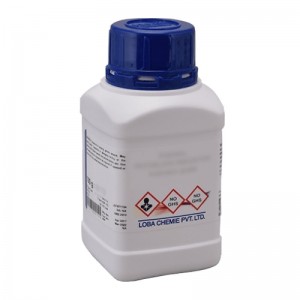
Bile Salt for Bacteriology 100gm Loba, India
Price :
৳4500
৳5000
Estimated Shipping Time: 2 to 3 days
Uses: Selective agent , Differentiating bacteria
Product SKU: 52Rr1811FSA
Bile Salt for Bacteriology 100gm Loba, India
Description :
Bile Salt for Bacteriology, specifically the 100gm product from Loba Chemie, India, is a critical component in microbiology laboratories. It is a yellowish-brown, free-flowing powder that is highly soluble in distilled water, forming a clear solution. Chemically, it's a mixture of conjugated bile acids, primarily sodium salts of cholic acid and deoxycholic acid, along with taurocholic and glycocholic acids. These are naturally derived from purified fresh animal bile (often bovine).
Uses :
1. Selective Inhibition of Gram-Positive Bacteria: Bile salts are potent inhibitors of most Gram-positive bacteria due to their detergent-like action, which disrupts their cell membranes.
2. Component of Selective Culture Media: They are an essential ingredient in various selective and differential culture media, such as MacConkey Agar, Hektoen Enteric Agar, Xylose Lysine Deoxycholate (XLD) Agar, and Violet Red Bile Agar (VRBA).
3. Isolation of Enteric Pathogens: Bile salts are crucial for the selective growth of enteric bacteria (bacteria found in the intestines), including important human pathogens like Escherichia coli, Salmonella species, Shigella species, and other coliforms.
4.Differentiation of Bacterial Species: In media like MacConkey Agar, bile salts, in combination with a pH indicator and lactose, allow for the differentiation of lactose-fermenting from non-lactose-fermenting Gram-negative bacteria, which aids in identification.
5. Enrichment Broths: They are also used in enrichment broths (e.g., Selenite Cystine Broth, Tetrathionate Broth) to inhibit the growth of commensal flora while allowing the proliferation of specific pathogens, especially Salmonella and Shigella.
6. Food and Water Testing: In food and water microbiology, bile salts are vital for testing samples for the presence of fecal coliforms and other indicator organisms, which signify potential contamination.
7. Research and Diagnostics: Used extensively in research studies investigating bacterial resistance to bile, bacterial adaptations to the gut environment, and in clinical diagnostic laboratories for the identification of gastrointestinal infections.
If you'd like to know more about this chemical or need any analysis report regarding this chemical then contact us support@echem.com.bd.
If you'd like to know more about this chemical or need any analysis
report regarding this chemical then contact us support@echem.com.bd.- Appearance: Light Brown Colored Powder
- Bile Acid content: Min 45%
- Sulfated Ash: 14-18%
- Loss on drying: max 5.0%
- pH (2% solution in water): 6.0-8.0
- Store at 15-25°C
- Manufacturer: Loba Chemie, India
Ratings & Reviews
0.0
No Review Found.

Login To Comment