

 Health & Beauty


.png) Art & Painting
Art & Painting Hot Deals
.png)


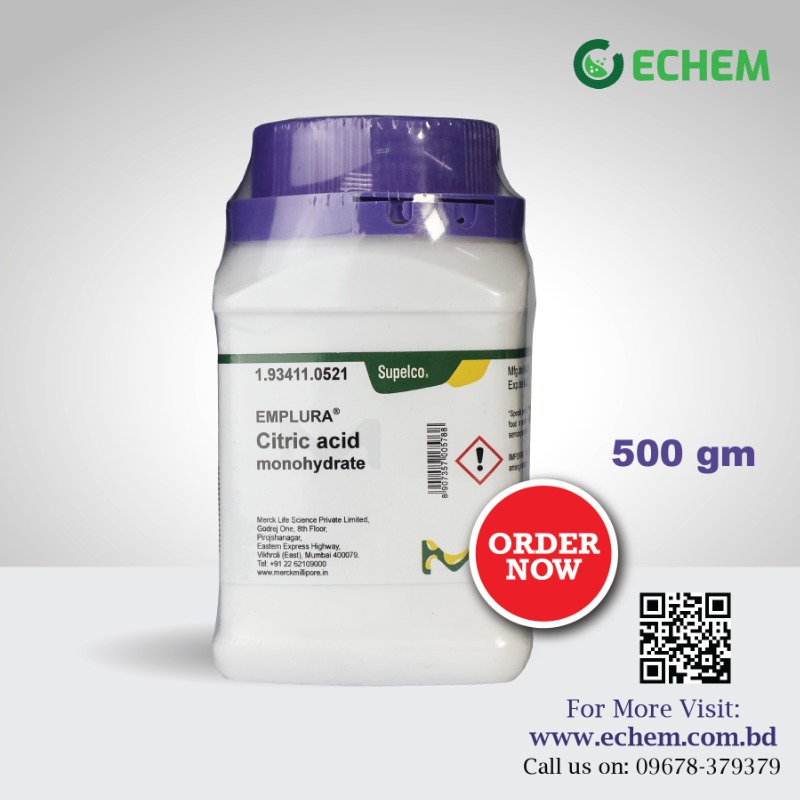
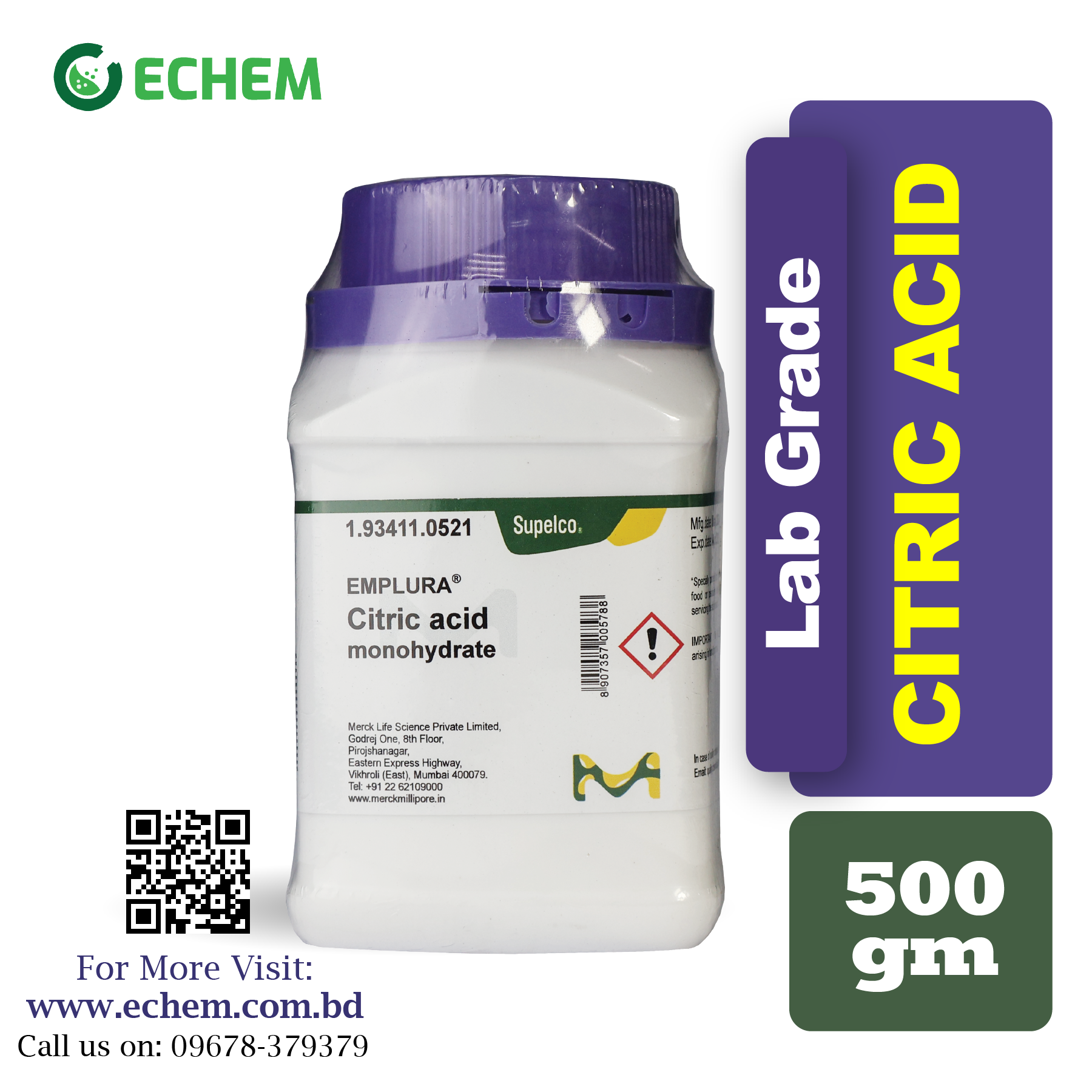
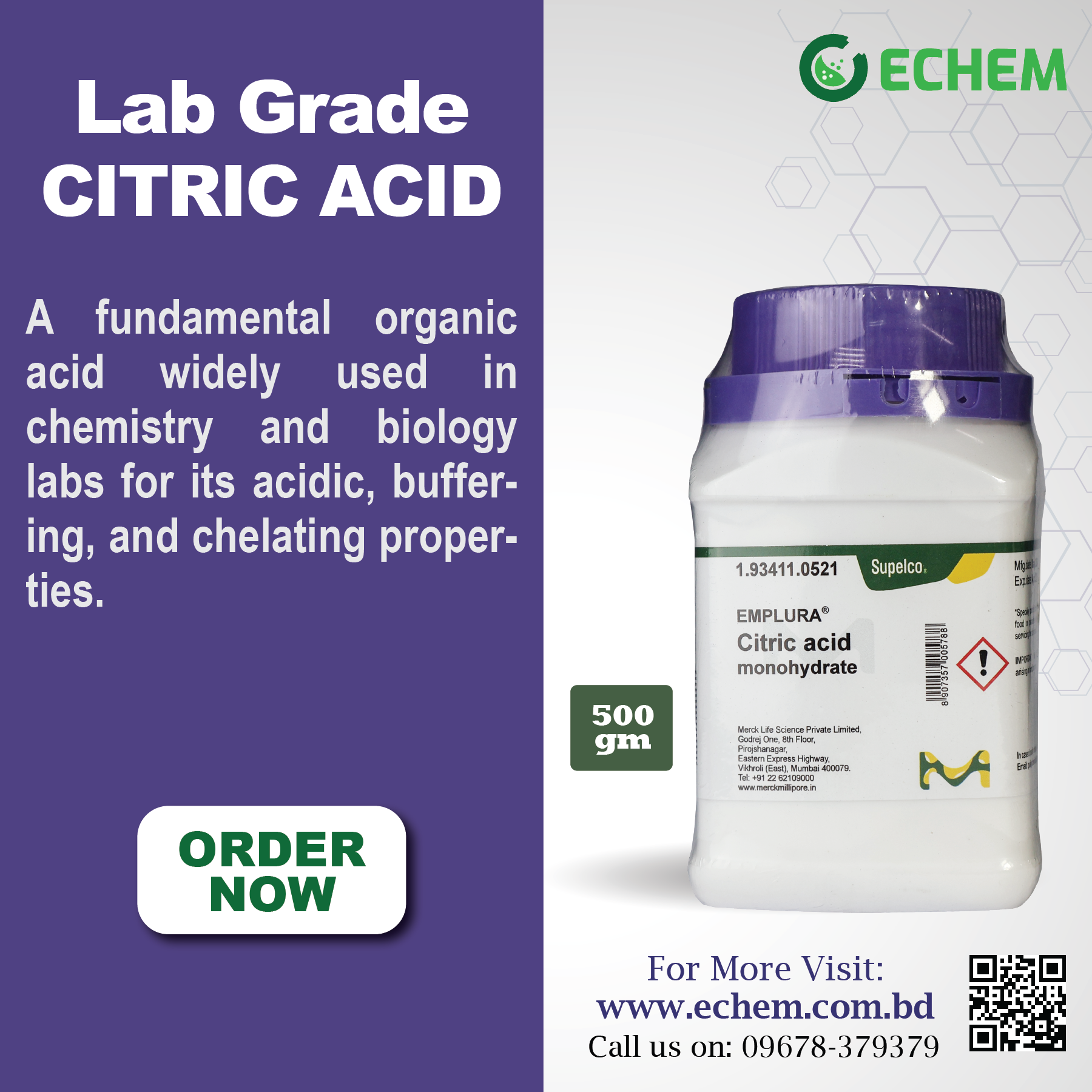
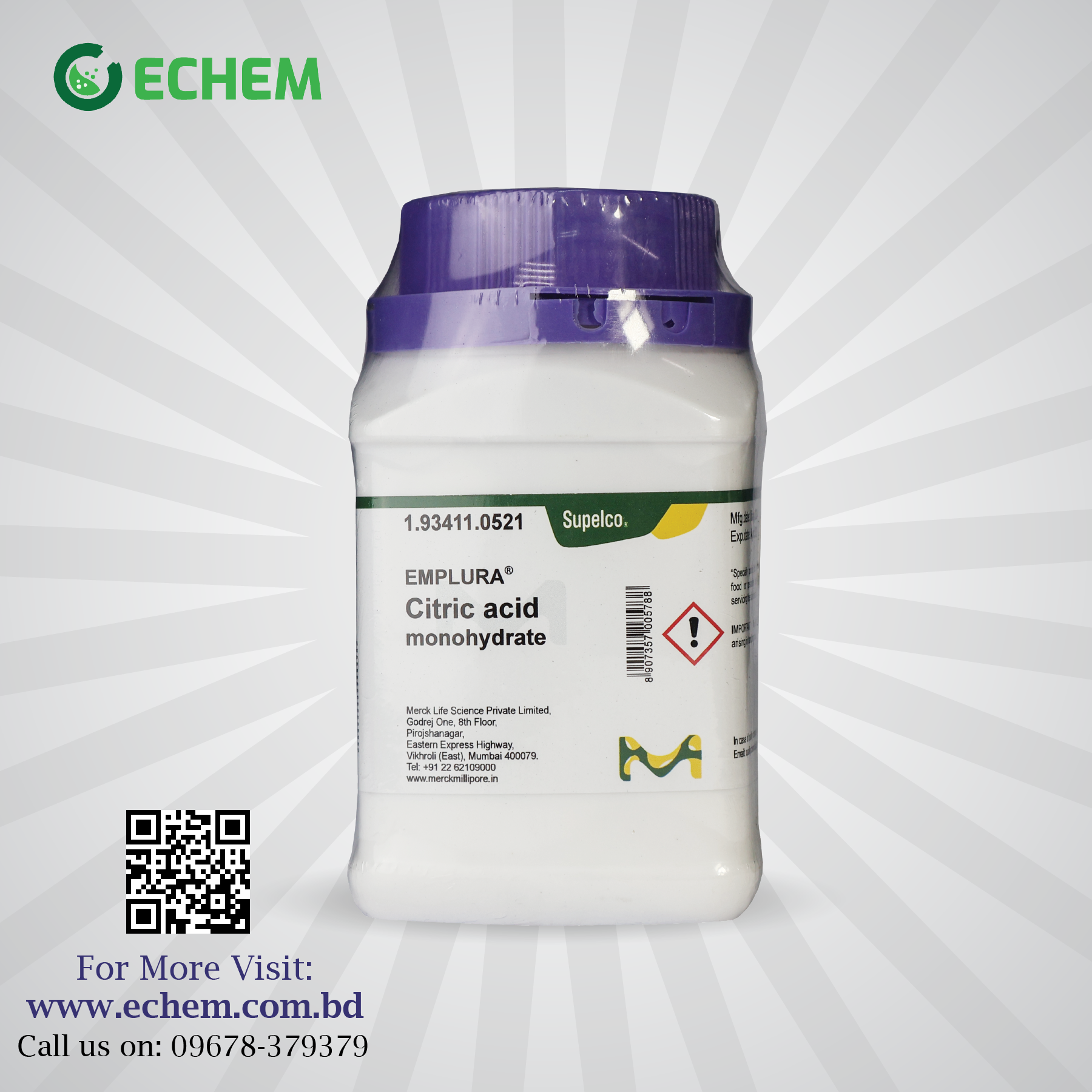
Citric Acid 500gm Lab Grade India
Price :
৳750
৳850
Size :
- 500 gm
Color :
Estimated Shipping Time: Order to Shipment Time: 3 to 5 days
Uses: Laboratory Use
Product SKU: 8Sl5546bS5
Lab-grade Citric Acid is a high-purity crystalline
organic acid, a fundamental chemical compound widely utilized in scientific and
analytical laboratories.
- Chemical
Formula: Its chemical formula is C6H8O7, indicating its molecular composition.
- Molar
Mass: Possesses a molar mass of approximately 192.12 g/mol.
- Appearance:
Typically presents as a white, odorless crystalline powder.
- Solubility:
Highly soluble in water, readily forming acidic solutions.
- Acidity:
Acts as a weak tribasic acid, capable of donating three protons (H+) in
aqueous solutions.
- Buffering
Capacity: Its conjugate bases allow it to act as an effective
buffering agent in specific pH ranges.
- Chelating
Agent: Exhibits excellent chelating properties, able to bind metal
ions to form stable complexes.
- Purity
Grade: Manufactured to meet stringent laboratory standards, ensuring
minimal impurities for reliable experimental results.
- Consistent
Quality: Undergoes rigorous quality control to guarantee
batch-to-batch consistency.
- Versatile
Reagent: Serves as a versatile reagent in diverse chemical and
biological applications.
- Source:
Commonly derived from the fermentation of carbohydrates.
- Stability:
Stable under normal laboratory conditions when stored properly.
- Hygroscopic
Nature: May absorb moisture from the air, requiring appropriate
storage.
- Packaging:
Typically available in various sizes of airtight containers to maintain
purity and prevent moisture absorption.
- Application
Areas: Essential in titrations, buffer preparation, metal ion studies,
and as an anticoagulant in specific biological applications.
Uses and Recommendation :
- pH
Adjustment: Highly recommended for precise adjustment and maintenance
of pH in various experimental solutions and buffers.
- Buffer
Preparation: Essential for preparing citrate buffers across a range of
pH values, crucial for biological and biochemical experiments.
- Metal
Chelation: Effectively used to complex metal ions, preventing their
interference in chemical reactions and analytical procedures.
- Titration
Standard: Can serve as a primary standard in acid-base titrations
after proper standardization.
- Cleaning
Agent: Its acidic properties make it useful for cleaning laboratory
glassware and equipment by removing mineral deposits.
- Anticoagulant:
Recommended for specific biological applications requiring inhibition of
blood clotting by chelating calcium ions.
Safety Precautions :
- Eye
Irritant: Avoid contact with eyes as it can cause irritation. Wear
appropriate eye protection (safety goggles).
- Skin
Irritant: Prolonged skin contact may cause mild irritation. Wear
protective gloves.
- Ingestion
Hazard: Ingestion of large quantities may cause gastrointestinal
discomfort. Avoid ingestion.
- Dust
Inhalation: Avoid inhaling citric acid dust. Use in a well-ventilated
area or wear a dust mask if necessary.
- Storage:
Store in a cool, dry, and well-ventilated area, away from incompatible
materials and moisture. Keep containers tightly closed.
Merck Emplura Citric Acid Monohydrate
Packaging Size: 500 gm
Packaging Type: Plastic Jar
Packaging Size | 500 g |
Packaging Type | Plastic Jar |
Boiling Point | 310 Degree Celsius |
Form | Powder |
Brand | Merck |
Grade Standard | Industrial Grade |
CAS Number | 5949-29-1 |
Flash Point | 173.9 Degree Celsius Not applicable |
Molar Mass | 210.14 g/mol |
Formula | C6H8O7 |
EC No | 201-069-1 |
Grade Value | ACS, ISO, Reag. Ph Eur |
HS Code | 2918 14 00 |
Synonyms | 2-Hydroxypropane-1,2,3-tricarboxylic acid, Hydroxytricarballylic acid |
Density | 1.54 g/cm3 |
Ratings & Reviews
0.0
No Review Found.
Wholesell
| Quantity | Discount |
|---|---|
| 50+ | 5% Off |
Sold By
echem
484
Total Item

Login To Comment